Hugging Egypt's eastern coastline where the desert meets impossibly blue water, Hurghada has lived multiple lives across millennia. What began as a quiet outpost on one of antiquity's most strategic seas is now a world-renowned destination that draws millions seeking sun, coral, and history.
Long before resort hotels lined its shores, the coastline around modern Hurghada served as a waypoint on some of the ancient world's most important maritime routes. The Red Sea was the corridor through which Pharaonic Egypt traded with the legendary land of Punt, sending expeditions for myrrh, ebony, and exotic animals as far back as 2500 BCE. Ancient Egyptian quarrying operations in the Eastern Desert brought workers close to this stretch of coast, and Roman-era ports such as Myos Hormos, located near present-day Quseir to the south, confirmed the region's enduring strategic importance for trade between the Mediterranean world and the Indian Ocean.
The specific site of Hurghada itself remained lightly populated for centuries, its harsh desert hinterland and lack of a natural deep harbor limiting permanent settlement. Bedouin tribes of the Eastern Desert, particularly the Ma'aza and Ababda, navigated the surrounding landscape as seasonal pastoralists, relying on knowledge of scattered wells and seasonal grazing grounds. Small fishing communities occasionally sheltered along the coastline, harvesting the Red Sea's extraordinary marine abundance. Ottoman administrative maps from the 16th and 17th centuries acknowledge the area only in passing, underscoring how thoroughly this stretch of coast existed on the margins of recorded history until the modern era fundamentally changed its fortunes.
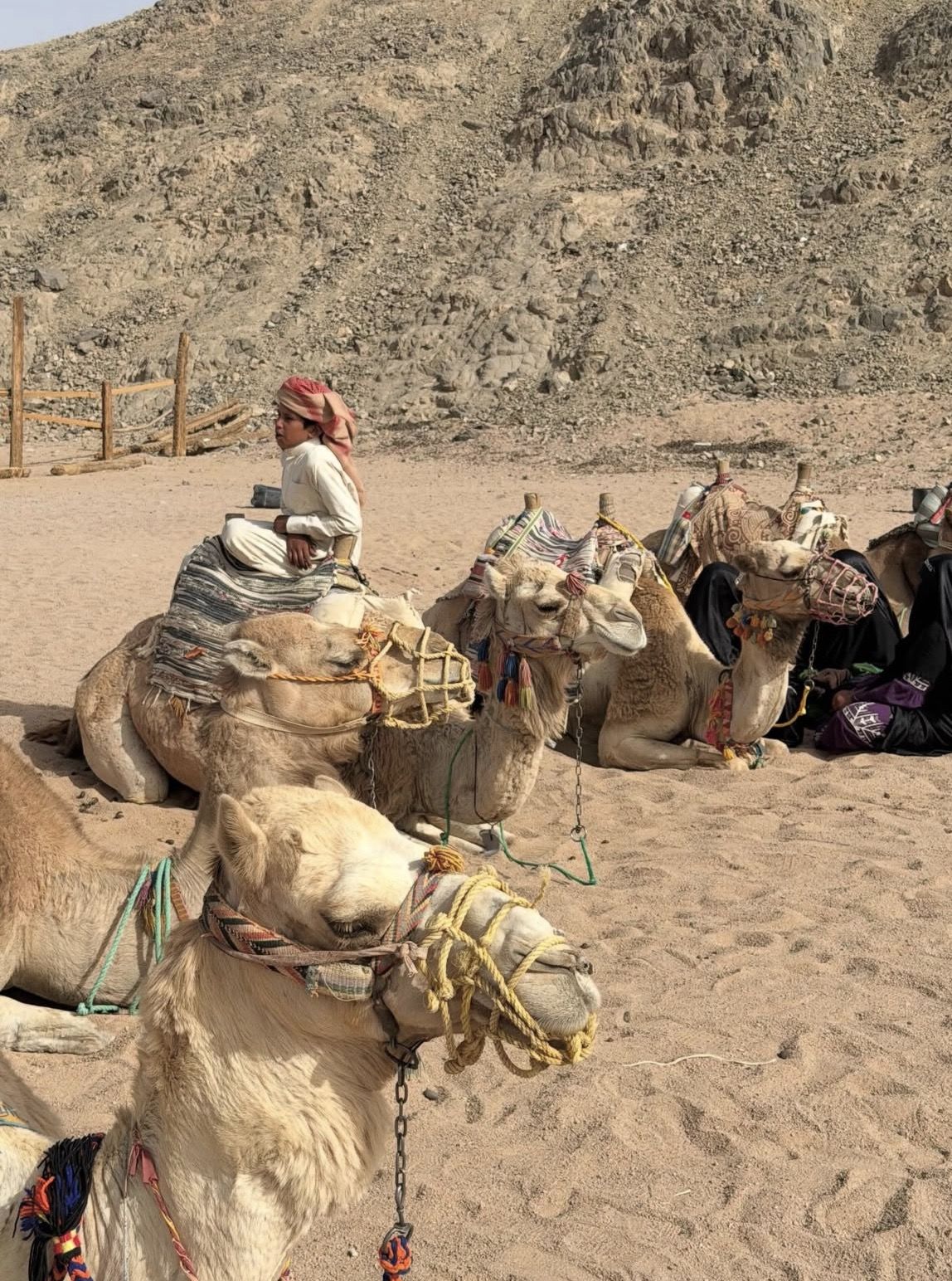
The Red Sea has always been more than a body of water — it is a civilisational artery. For thousands of years, Arab, Indian, and East African merchants navigated its tricky currents and seasonal winds, carrying spices, textiles, and precious metals that shaped the economies of three continents. This maritime culture left deep impressions on the Egyptian Red Sea coast. Local fishing communities developed expert seamanship and intimate knowledge of the coral reef systems that make Hurghada's waters so biologically spectacular today. Those reefs, stretching across roughly 200 kilometres of coastline, form part of a global biodiversity hotspot hosting over 1,000 species of fish and 200 species of coral.
European colonial interest in the Red Sea intensified dramatically after the opening of the Suez Canal in November 1869, an engineering marvel that instantly transformed the waterway into the planet's most strategically vital shipping lane. Britain and France competed fiercely for influence along its shores, and Egypt's Red Sea coast gained new military and commercial relevance. The British-administered Egyptian government established modest administrative posts along the coastline during the late 19th and early 20th centuries. Hurghada's protected anchorage, while modest by the standards of major ports, attracted attention as a potential base for operations along the otherwise sparsely served central Red Sea coast of Egypt.
It was the discovery of oil that truly put Hurghada on the modern map. Egyptian and foreign geologists identified petroleum deposits in the region during the early 20th century, and by 1913 commercial oil extraction had begun in the area — making Hurghada one of Egypt's earliest oil-producing sites. The Anglo-Egyptian Oilfields company established operational infrastructure that brought workers, engineers, and supply chains to what had previously been a negligible settlement. This industrial activity seeded the town's first sustained population growth, creating a small but permanent community with basic services, housing, and a reason to exist beyond subsistence fishing. The oil industry essentially built the bones of the town that tourism would later transform.
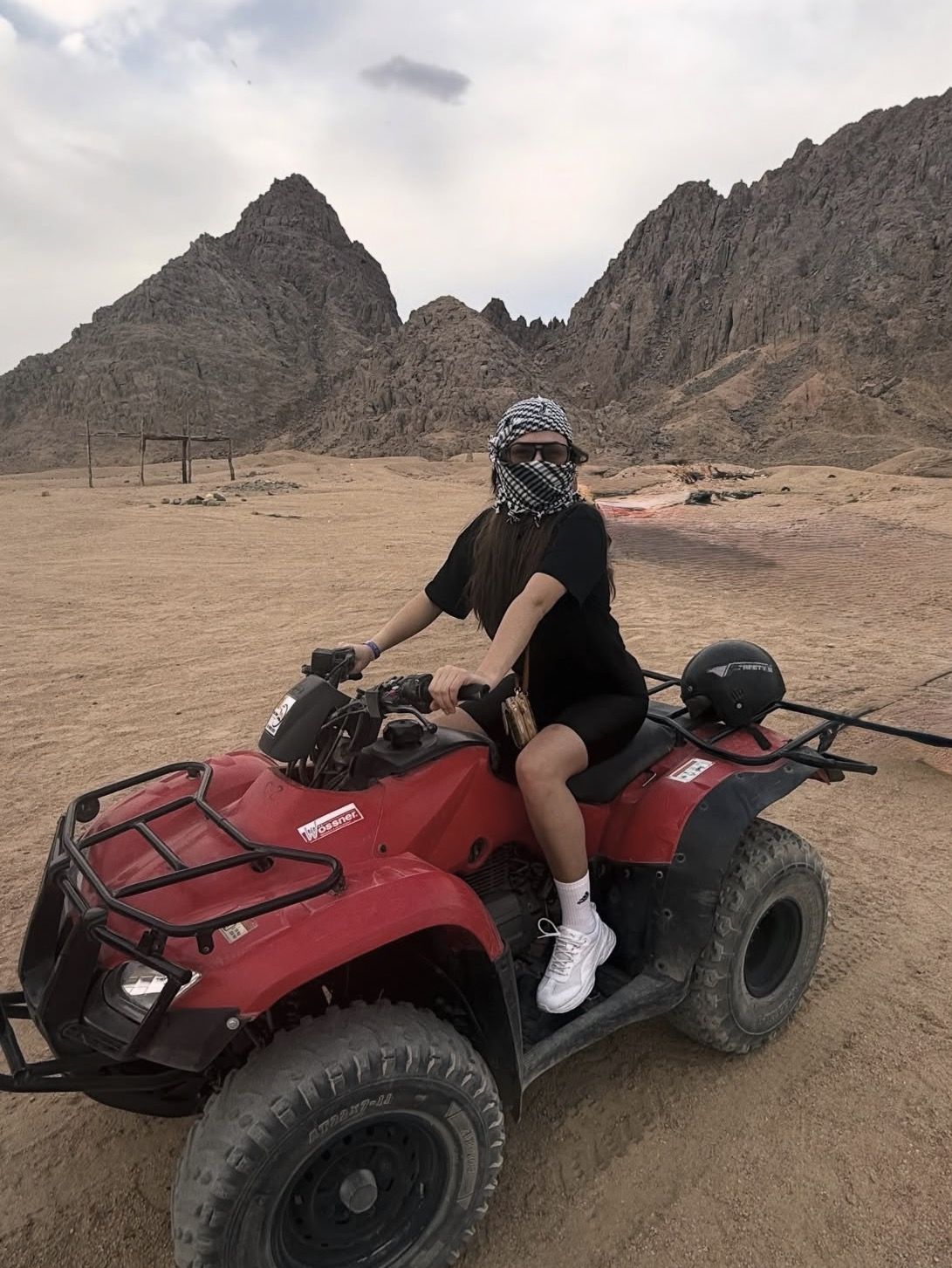
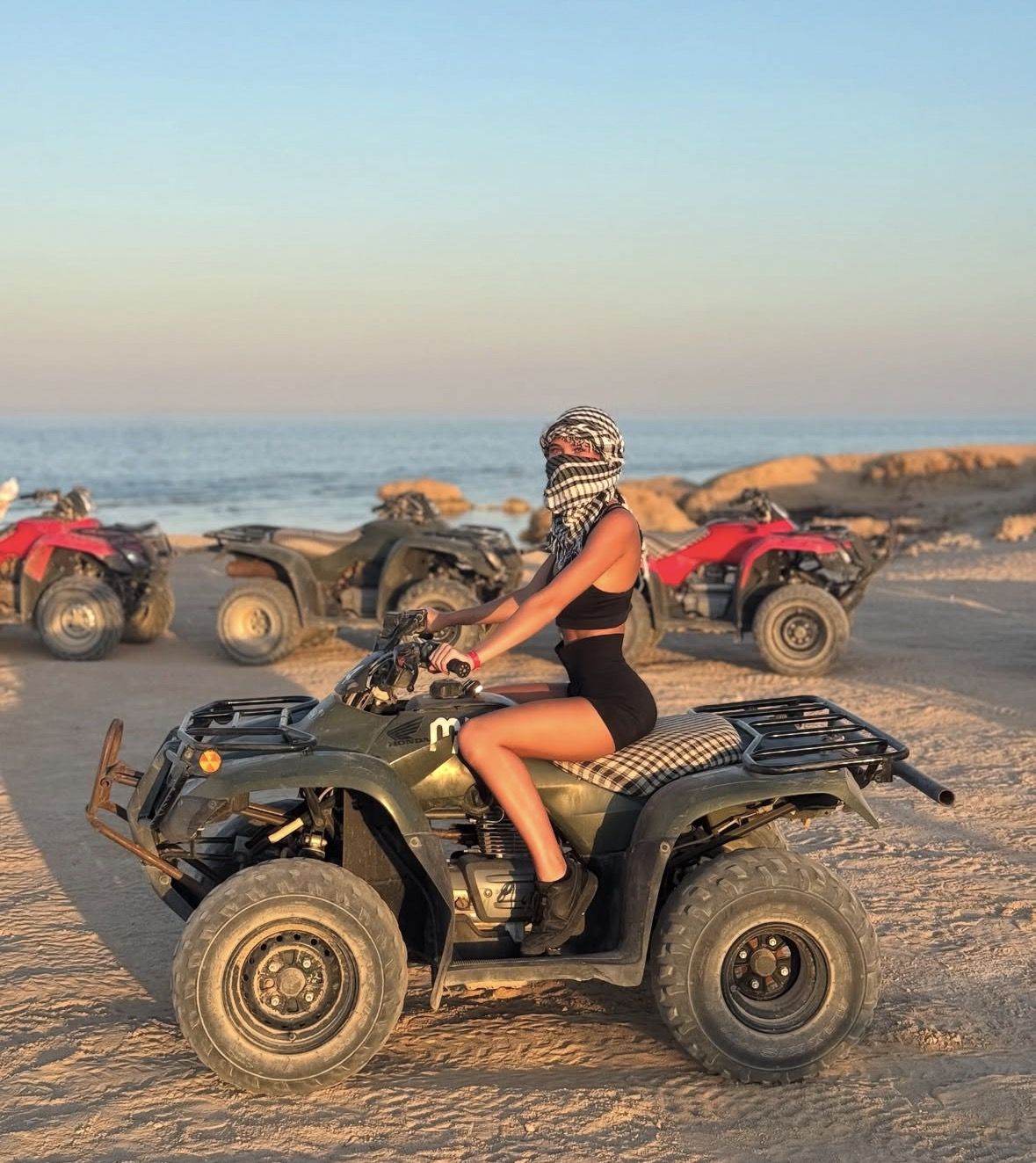
Egypt's government identified the Red Sea coast's tourism potential during the late 1970s and early 1980s as part of a broader national economic diversification strategy. President Anwar Sadat's open-door economic policy, introduced in 1974, encouraged foreign investment and positioned leisure tourism as a pillar of future growth. Hurghada was earmarked as a flagship development zone, and infrastructure investment began in earnest. The town's first purpose-built international resort opened in 1984, and the transformation was rapid and relentless. Through the late 1980s and 1990s, hotel construction accelerated along the shoreline, with European — particularly German, Russian, and British — package holiday operators discovering that Hurghada offered reliable sunshine, warm seas, and competitive prices.
The 1990s cemented Hurghada's status as a global diving and snorkelling destination. Dive operators proliferated, offering access to legendary sites such as Shaab Abu Nuhas, home to four famous shipwrecks, and the remote reef systems of the Brothers Islands, declared a protected nature reserve in 1995. Hurghada International Airport, originally a modest facility serving oil workers, was expanded repeatedly to handle the surge in charter flights from Europe. By the mid-1990s, the town's population had swelled from a few thousand to tens of thousands, with hospitality, construction, and diving becoming the dominant employers. New districts — El Dahar, Sekalla, and the resort-heavy New Hurghada strip — developed distinct characters within the rapidly expanding city.
The early 2000s saw Hurghada's tourist infrastructure reach genuine international standard, with five-star all-inclusive resorts, a marina development, and a growing array of water sports beyond diving, including kitesurfing, parasailing, and glass-bottom boat excursions. Russian tourists in particular arrived in enormous numbers following charter route expansions, at times forming the single largest national group visiting the resort. The city's population reached an estimated 250,000 by the 2010s. Despite setbacks — including the global tourism slump following regional instability in 2011 and the tragic 2015 Metrojet aviation incident that suspended Russian flights — Hurghada demonstrated consistent resilience, recovering each time through marketing efforts and infrastructure reinvestment.
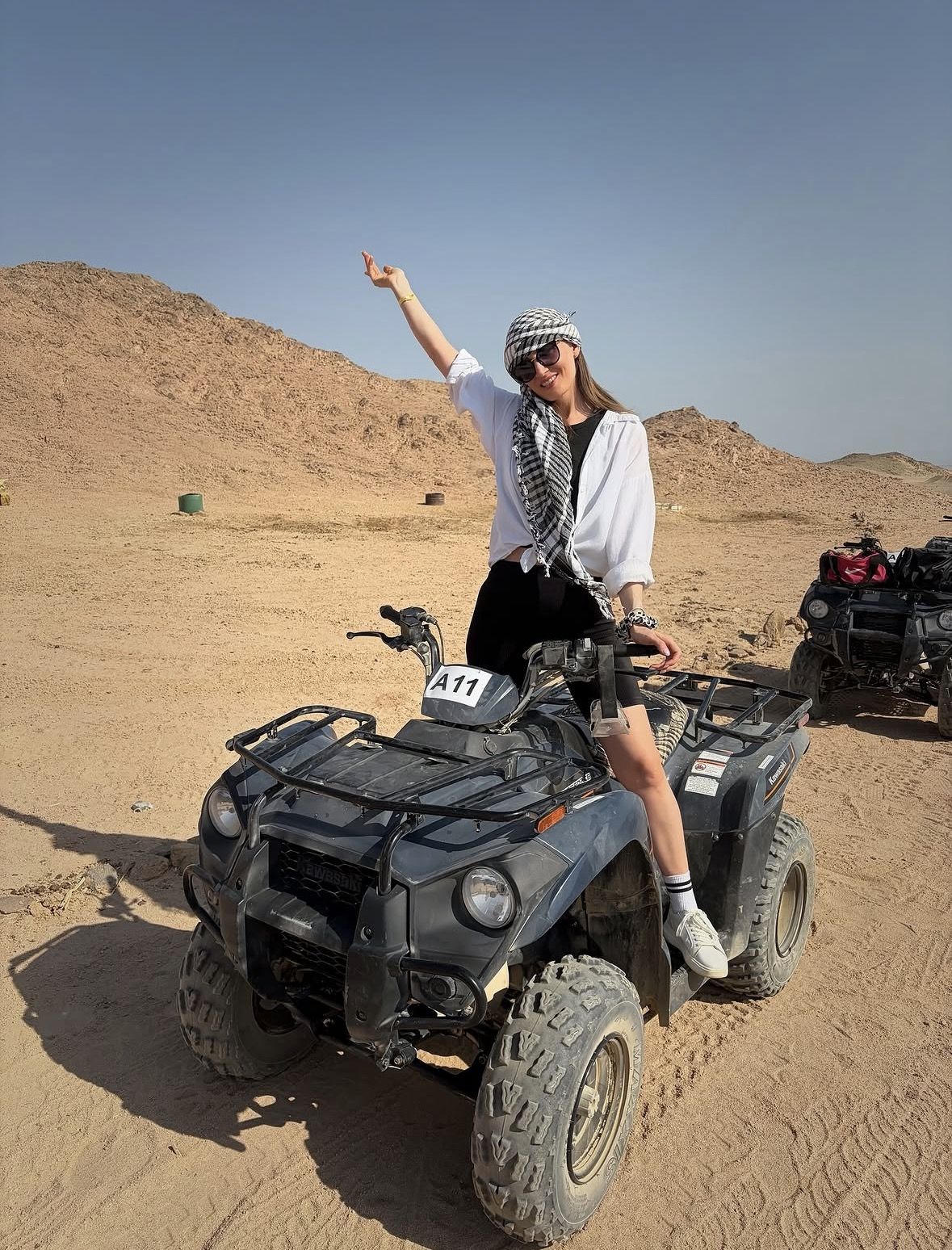
Contemporary Hurghada is a city of fascinating contrasts. The old fishing quarter of El Dahar, with its bustling bazaar, traditional coffee houses, and mosques echoing with the call to prayer, preserves a flavour of pre-resort Egypt that rewards curious visitors willing to wander beyond the hotel strip. The Hurghada Grand Aquarium and the Museum of Hurghada, which opened in 2020 showcasing artefacts from across Egyptian history, reflect the city's ambitions to offer cultural depth alongside beach hedonism. The Red Sea Riviera, as the coastal strip is now branded, stretches for kilometres with resorts of every category, yet the underlying marine environment — protected in part by Hurghada Environmental Protection and Conservation Association initiatives since 1992 — remains genuinely extraordinary.
For the modern traveller, Hurghada offers a layered experience that few Red Sea destinations can match. You can drift above coral gardens teeming with lionfish and parrotfish in the morning, browse ancient-style souks in the afternoon, and dine on freshly caught Red Sea bream as the sun ignites the western desert horizon. The history woven into this city — Pharaonic trade routes, Ottoman coastlines, colonial oil fields, and a tourism revolution spanning just four decades — gives every visit an unexpected depth. Whether you come for the water, the warmth, or the wonder of Egypt's enduring story, Hurghada promises discoveries that far exceed expectations. Come and write your own chapter on this extraordinary shore.
Ready to Experience It Yourself?
From guided reef dives at the Brothers Islands to sunset felucca cruises and desert safari excursions, Hurghada's best experiences are waiting for you. Browse our hand-picked tours and exclusive deals to find the perfect Red Sea itinerary for your travel style. Book with confidence today and discover why millions return to Hurghada year after year.
Book Your Tour Now